Research at West Midlands Safari Park
Our research mission is: “To facilitate and initiate research that contributes to species’ conservation and the welfare of animals in our care.”
Wildlife parks and zoos have an obligation to support and encourage research which will improve the welfare of captive animals. In addition, research at captive animal collections can generate knowledge on topics such as animal behaviour, physiology and reproduction. This knowledge can ultimately be used to assist species’ conservation.
West Midlands Safari Park’s Wildlife Team creates a list of priority projects annually. On the list, we lay out the pressing questions we seek to answer about our animals and our site.
Internal researchers, keepers, external researchers, and research students all contribute to getting these questions answered. We also contribute to projects initiated by external researchers from endangered species breeding programmes, other zoological parks, national and international conservation bodies and universities.
Some of our long-term research projects:
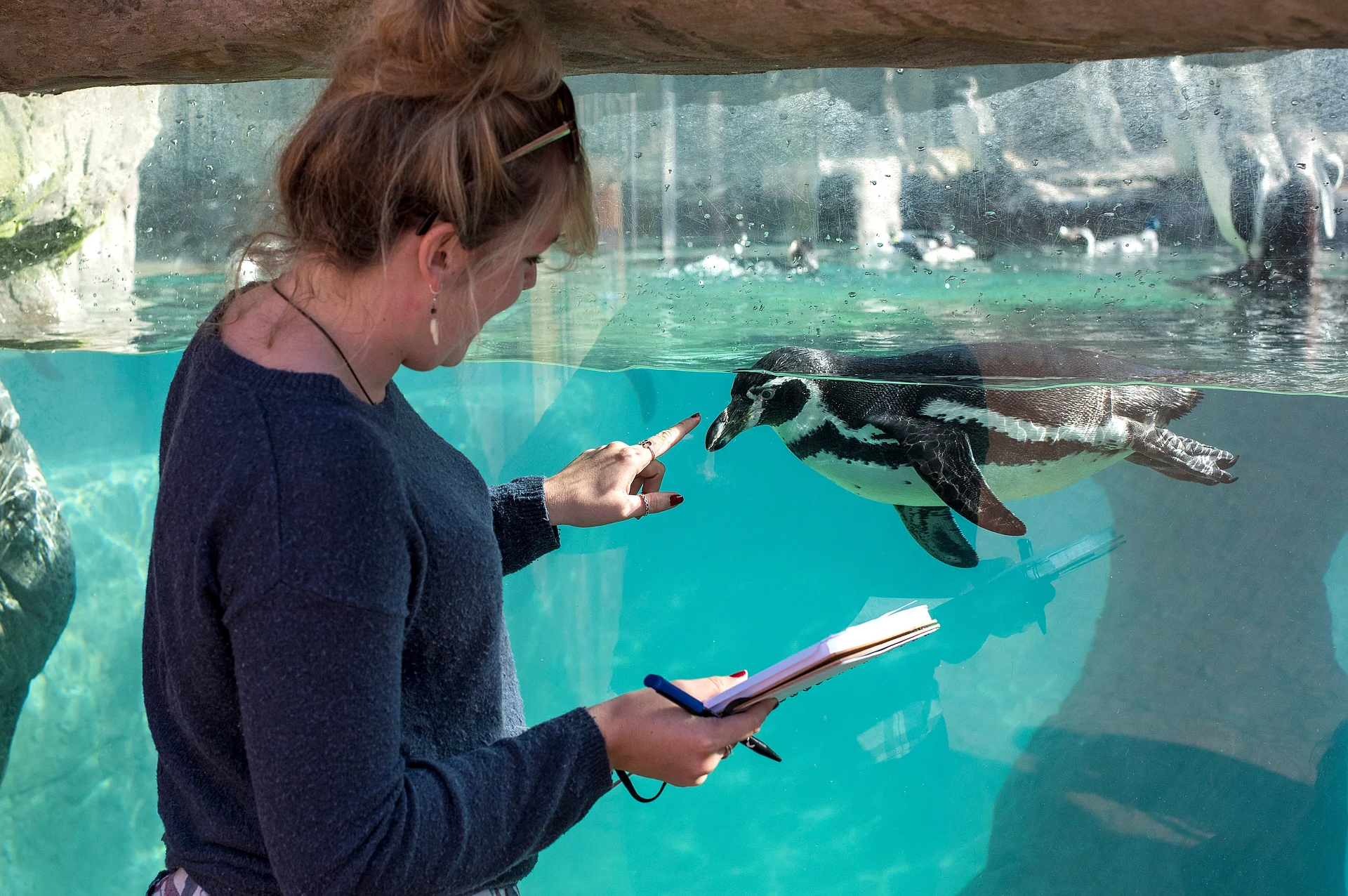
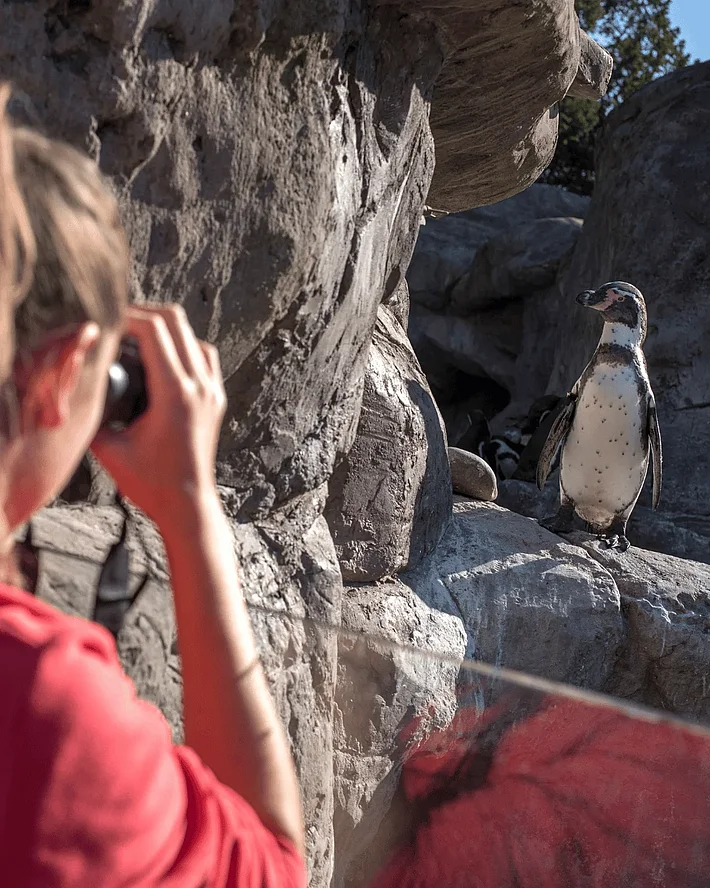
We have validated a method of sampling behaviour and substrate use for Humboldt penguins*.
We used the information gathered by our research to inform an enclosure revamp, which has improved the penguin enclosure by giving the birds more land and a higher ratio of sand to concrete.
To make it really easy to collect data in the long term, we designed, and are using a digital tool allowing keepers to enter data using phones or tablets. The results are automatically graphed and are available for managers and keepers to see immediately.
*Goodenough, A. E., Sewell, A., McDonald, K. (2023). Behavioural patterns in zoo housed Humboldt penguins (Spheniscus humboldti) revealed using long-term keeper-collected data: Validation of approaches and improved husbandry. Applied Animal Behaviour Science. 258.
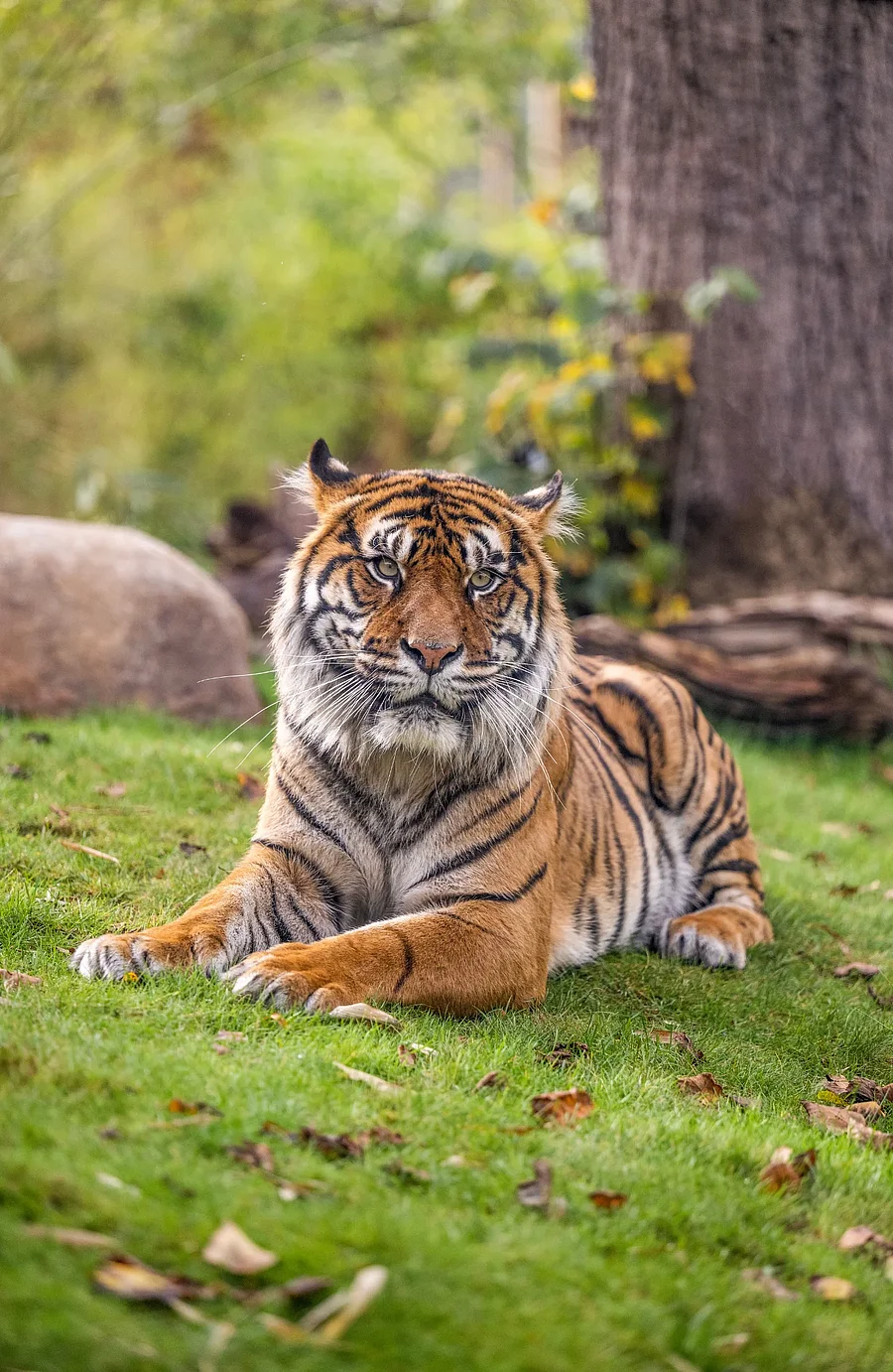
For several years, we have employed a standard method to collect activity budgets (what they do day-to-day) for our tigers. We use researchers and students to get up-to-date data for each individual every couple of years.
Studying behaviour and activity in this way helps us monitor the welfare of our tigers. If we see any behaviours such as stereotypic pacing behaviour, we can put in mitigations to reduce it.
With our continued monitoring, we can then assess whether our mitigations have been successful. Most importantly, we can ensure our tigers are expressing healthy species-typical levels and types of activity.
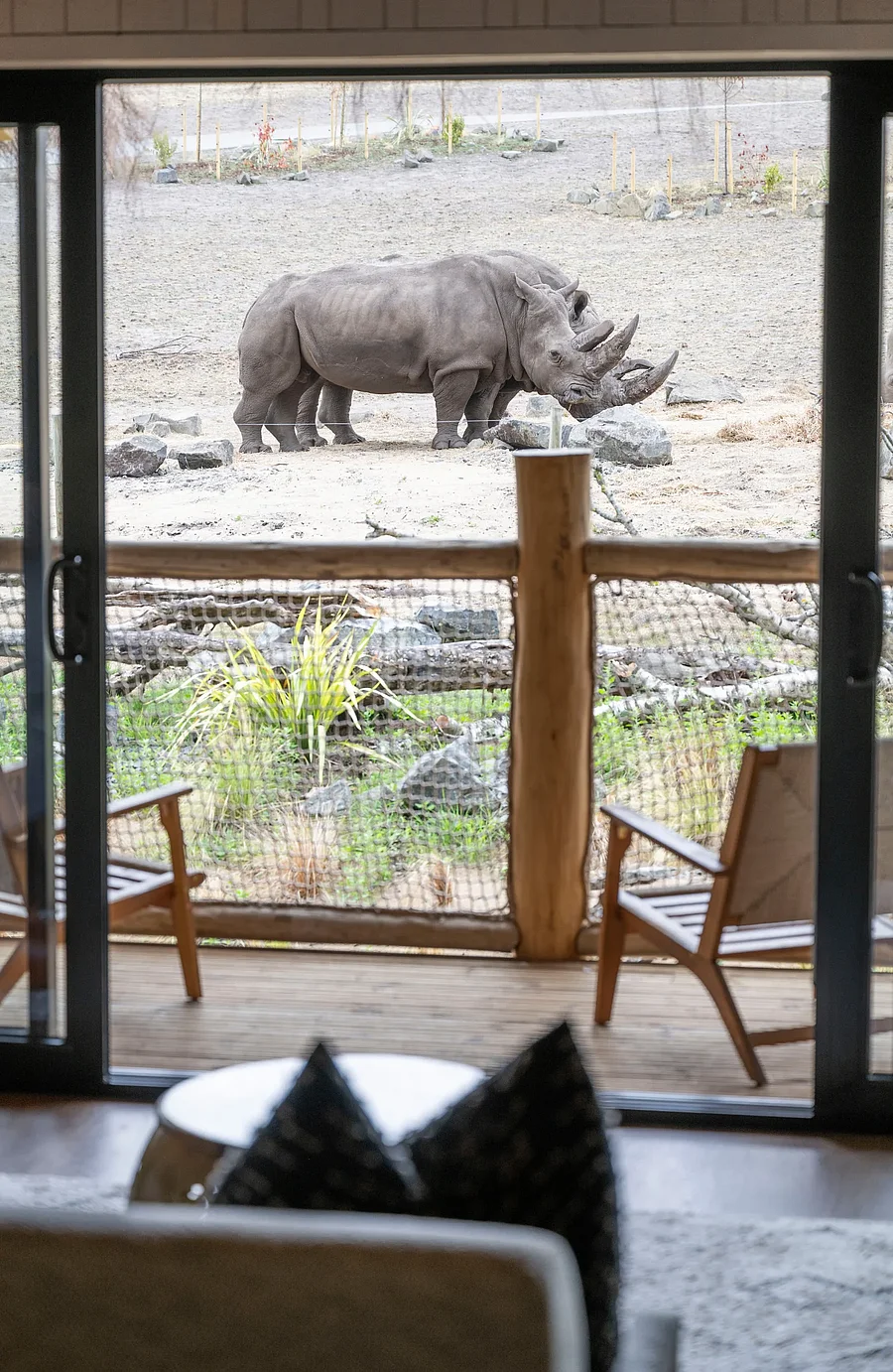
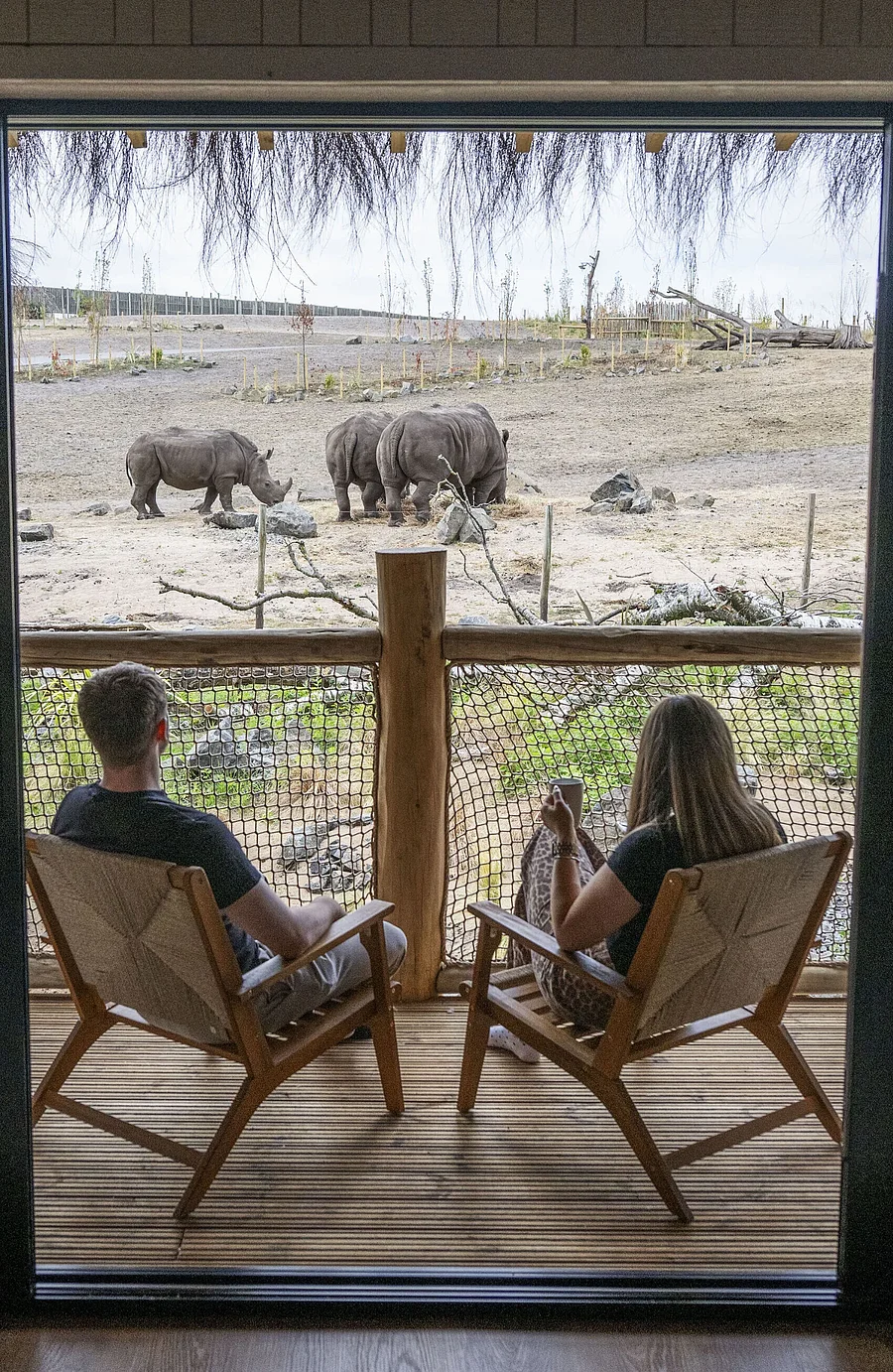
We have a dedicated rhino patrol in our Safari Drive. This is a fantastic opportunity to collect data and learn more about our rhinos. Keepers record the behaviour of each individual every 20 minutes.
We are using the results to look at what factors (visitor numbers, weather, season etc), might be influencing rhino behaviour. We are also working with other animal settings, so we can ultimately look at differences in rhino behaviour between wildlife parks too.
Conservation at West Midlands Safari Park
Our conservation mission is: To support conservation of threatened species and habitats, locally, nationally and internationally.
Read more in our Conservation Policy – Click Here.
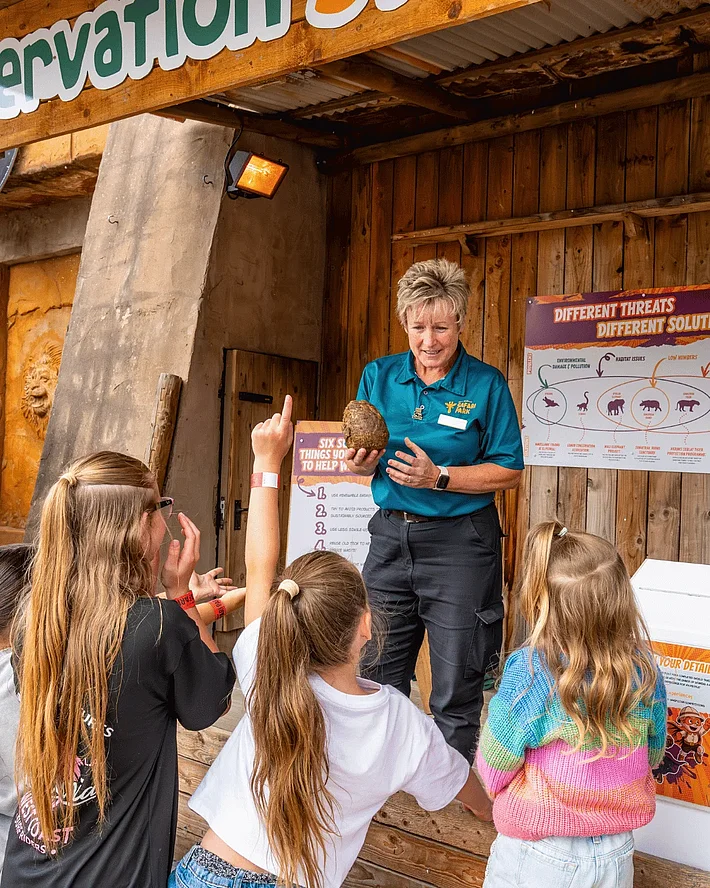
Being there for conservation, right where the wild relatives of our animals call home, is incredibly important to us. We have set up partnerships with five conservation NGOs, linked to some of our most iconic animals.
We support their on-the-ground activities in the areas where the wild relatives of our animals live, donating to them quarterly.
Meet Our Partners